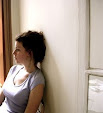
The Divine Image - by William Blake
Cruelty has a human heart
And jealousy a human face,
Terror the human form divine,
And secrecy the human dress.
The human dress is forged iron,
The human form a fiery forge,
The human face a furnace seal'd,
The human heart its hungry gorge.
Sometimes we forget that fear makes us cruel. A friend told me a year or so ago that I could be mean. I was taken aback; I never think of myself as a mean person. You're mean when you don't get what you want, he said. We'd been a 'thing,' a romantic-ish but never-quite-official thing. When my friend said want, he meant capital W want, want that is the thin shell of the fear that we'll never be fully loved, fully chosen. Humans hold a hundred forms of fear. When it comes to other people, that fear comes out in unexpected ways - some never directly expressed, some unbelievably violent. Fear surprises us. Our impulses go sideways. Most people act by self-propulsion, and the fuel is fear. We all think we're fakes, or we're not fakes, but we're ashamed of something we've done. We're afraid of being seen, so we're too loud or don't go to the party at all. I try to live in the middle, within reason, but I fail all the time.
Most often, when I act out, I misuse the gift of being a writer. It happened recently, this morning. The thought having hurt someone, having deliberately hurt someone, is so bewildering. I don't know myself, when I am sharp and thoughtless like that, sending that poem I knew was cruel. Not mean, but cruel - pushed buttons, hit nerves I knew it would hit. It's not my sober self, it's the addict self, who wants and lashes out when want isn't met. It pushes me from people. It's the real darkness in me, the faithless place. You might think the darkness was something else, something less to do with people, more interior, less nameable. But this is the real root of it, I've come to realize, because I have so many people who love me, who have stuck with me through hard time. Fear, fear, a hundred forms of fear. All I can really do is own it. To claim my side of the street. To pray to whatever is there or not. Try again.
Tuesday, October 25, 2011

Thursday, October 20, 2011
After the Movie
My friend Michael and I are walking home arguing about the movie.
He says that he believes a person can love someone
and still be able to murder that person.
I say, No, that's not love. That's attachment.
Michael says, No, that's love. You can love someone, then come to a day
when you're forced to think "it's him or me"
think "me" and kill him.
I say, Then it's not love anymore.
Michael says, It was love up to then though.
I say, Maybe we mean different things by the same word.
Michael says, Humans are complicated: love can exist even in the murderous heart.
I say that what he might mean by love is desire.
Love is not a feeling, I say. And Michael says, Then what is it?
We're walking along West 16th Street—a clear unclouded night—and I hear my voice
repeating what I used to say to my husband: Love is action, I used to say to him.
Simone Weil says that when you really love you are able to look at someone you want to eat and not eat them.
Janis Joplin says, take another little piece of my heart now baby.
Meister Eckhardt says that as long as we love images we are doomed to live in purgatory.
Michael and I stand on the corner of 6th Avenue saying goodnight.
I can't drink enough of the tangerine spritzer I've just bought—
again and again I bring the cold can to my mouth and suck the stuff from
the hole the flip top made.
What are you doing tomorrow? Michael says.
But what I think he's saying is "You are too strict. You are a nun."
Then I think, Do I love Michael enough to allow him to think these things of me even if he's not thinking them?
Above Manhattan, the moon wanes, and the sky turns clearer and colder.
Although the days, after the solstice, have started to lengthen,
we both know the winter has only begun.
From The Kingdom of Ordinary Time, by Marie Howe
He says that he believes a person can love someone
and still be able to murder that person.
I say, No, that's not love. That's attachment.
Michael says, No, that's love. You can love someone, then come to a day
when you're forced to think "it's him or me"
think "me" and kill him.
I say, Then it's not love anymore.
Michael says, It was love up to then though.
I say, Maybe we mean different things by the same word.
Michael says, Humans are complicated: love can exist even in the murderous heart.
I say that what he might mean by love is desire.
Love is not a feeling, I say. And Michael says, Then what is it?
We're walking along West 16th Street—a clear unclouded night—and I hear my voice
repeating what I used to say to my husband: Love is action, I used to say to him.
Simone Weil says that when you really love you are able to look at someone you want to eat and not eat them.
Janis Joplin says, take another little piece of my heart now baby.
Meister Eckhardt says that as long as we love images we are doomed to live in purgatory.
Michael and I stand on the corner of 6th Avenue saying goodnight.
I can't drink enough of the tangerine spritzer I've just bought—
again and again I bring the cold can to my mouth and suck the stuff from
the hole the flip top made.
What are you doing tomorrow? Michael says.
But what I think he's saying is "You are too strict. You are a nun."
Then I think, Do I love Michael enough to allow him to think these things of me even if he's not thinking them?
Above Manhattan, the moon wanes, and the sky turns clearer and colder.
Although the days, after the solstice, have started to lengthen,
we both know the winter has only begun.
From The Kingdom of Ordinary Time, by Marie Howe
Monday, October 10, 2011
the center of the earth is the end of the world
turns out, that really, I am actually a Green Day fan. Who knew?
this is a lyrics fan-made video & sloppy but I sort of like it. There's pretty great narrative music video that won't be embedded here
Sometimes I forget that I was a teenager in the 90's. We listened to Weezer, to Rusted Root, to Ani DiFranco, to No Doubt, to Ben Folds Five, to house music, to Joni Mitchell. Apparently we listened to Green Day. We didn't have a clue what was happening in the world. We quoted "Clueless." We watched My So-Called Life. We bought clothes from thrift shops - old man sweaters and ugly boots we markered up and babydoll dresses and bell-bottom jeans we ripped to shreds. We were sheltered by money. I rode the bus downtown alone three days a week afterschool to dance. We read Beowulf and The Scarlet Letter and Bartelby the Scribner. When Annie died, Dorothy had me sit down before she told me. There was a point at which Madeleine and I started to sneak out during the school day to smoke on the fire escape of the white house where no one seemed to live. I hardly remember senior year; I remember a trash can fire in the sun in someone's backyard, a day I threw up in the bathroom near the theater. There are pictures of the rest, but I can't remember it. We drank beer in Sparky's kitchen, ate bagel bites, rifled through her mom's purse. We so often slept at one another's houses. There were a lot of dusks we ran through other people's yards - how was it we could be carefree? Girls with ripped jeans playing children's games. There were a lot of long walks. There was a lot of rain.
this is a lyrics fan-made video & sloppy but I sort of like it. There's pretty great narrative music video that won't be embedded here
Sometimes I forget that I was a teenager in the 90's. We listened to Weezer, to Rusted Root, to Ani DiFranco, to No Doubt, to Ben Folds Five, to house music, to Joni Mitchell. Apparently we listened to Green Day. We didn't have a clue what was happening in the world. We quoted "Clueless." We watched My So-Called Life. We bought clothes from thrift shops - old man sweaters and ugly boots we markered up and babydoll dresses and bell-bottom jeans we ripped to shreds. We were sheltered by money. I rode the bus downtown alone three days a week afterschool to dance. We read Beowulf and The Scarlet Letter and Bartelby the Scribner. When Annie died, Dorothy had me sit down before she told me. There was a point at which Madeleine and I started to sneak out during the school day to smoke on the fire escape of the white house where no one seemed to live. I hardly remember senior year; I remember a trash can fire in the sun in someone's backyard, a day I threw up in the bathroom near the theater. There are pictures of the rest, but I can't remember it. We drank beer in Sparky's kitchen, ate bagel bites, rifled through her mom's purse. We so often slept at one another's houses. There were a lot of dusks we ran through other people's yards - how was it we could be carefree? Girls with ripped jeans playing children's games. There were a lot of long walks. There was a lot of rain.
dream city

Boy in Video Arcade
by Larry Levis
Some see a lake of fire at the end of it,
Or heaven's guesswork, something always to be sketched in.
I see a sullen boy in a video arcade.
He's the only one there at this hour, shoulders slightly bent above a machine.
I see the pimples on his chin, the scuffed linoleum on the floor.
I like the close-up, the detail. I like the pointlessness of it,
And the way it hasn't imaged an ending to all this yet,
The boy never bothering to look up as the sun comes out
In the late morning, because, Big Deal, the mist evaporating & rising.
So Death blows his little fucking trumpet, Big Deal, says the boy.
I don't see anything at the end of it except an endlessness,
The beauty parlors, the palm reader's unlighted sign, the mulberry trees
fading out before the billboard of the chiropractor.
The lake of fire's just an oil speck.
I don't see anything at the end of it, & I suppose that is what is wrong with me,
Among other things. And it's slow work, because of all the gauzy light,
It's hard to pick out anything.
Wednesday, October 5, 2011
Dreams of Ondaatje (2)
7 or 8 THINGS I KNOW ABOUT HER - A STOLEN BIOGRAPHY
The Father's Guns
After her father died they found nine guns in the house. Two in his clothing drawers, one under the bed, one in the glove compartment of the car, etc. Her brother took their mother out onto the prairie with a revolver and taught her to shoot.
The Bird
For a while in Topeka parrots were very popular. Her father was given one in lieu of a payment and kept it with him at all times because it was the fashion. It swung above him in the law office and drove back with him in the car at night. At parties friends would bring their parrots and make them perform what they had been taught: the first line from Twelfth Night, a bit of Italian opera, cowboy songs, or a surprisingly good rendition of Russ Colombo singing "Prisoner of Love". Her father's parrot could only imitate the office typewriter, along with the ching at the end of each line. Later it broke its neck crashing into a bookcase.
The Bread
Four miles out of Topeka on the highway - the largest electrical billboard in the State of Kansas. The envy of all Missouri. It advertised bread and the electrical image of a knife cut slice after slice. These curled off endlessly. "Meet you at the bread," "See you at the loaf," were common phrases. Aroused couples would park there under the stars on the open night prairie. Virtue was lost, "kissed all over by every boy in Wichita". Poets, the inevitable visiting writers, were taken to see it, and it hummed over the seductions in cars, over the nightmares of girls in bed. Slice after slice fell towards the earth. A feeding of the multitude in this parched land on the way to Dorrance, Kansas.
First Criticism
She is two weeks old, her mother takes her for a drive. At the gas station the mechanic is cleaning the windshield and watches them through the glass. Wiping his hands he puts his head in the side window and says, "Excuse me for saying this but I know what I'm talking about - that child has a heart condition."
Listening In
Overhear her in the bathroom, talking to a bug: "I don't want you on me, honey." 8 a.m.
Self Criticism
"For a while there was something about me that had a dubious quality. Dogs would not take meat out of my hand. The town bully kept handcuffing me to the trees."
Fantasies
Always one fantasy. To be traveling down the street and a man in a clean white suit (the detail of "clean" impresses me) leaps into her path holding flowers and sings to her while an invisible orchestra accompanies his solo. All her life she has waited for this and it never happens.
Reprise
In 1956 the electric billboard in Kansas caught fire and smoke plumed into a wild sunset. Bread on fire, broken glass. Birds flew towards it above the cars that circled round to watch. And last night, past midnight, her excited phone call. Her home town is having a marathon to benefit the symphony. She pays $4 to participate. A tuxedoed gentleman begins the race with a clash of cymbals and she takes off. Along her route at frequent intervals are quartets who play for her. When they stop for water a violinist performs a solo. So here she comes. And there I go, stepping forward in my white suit, with a song in my heart.
_______________________________________________________________
The poem above is by Michael Ondaatje, one of my favorite writers. I'm sorry it took me so long to get back to Ondaatje - I talked about him here over a year ago, and meant to say more. Life moves in, and takes up space. Welcome, life, you say, then turn around and find it's been a year since you last thought about answering a question you'd meant to shed light on the day before. What I mean is Michael Ondaatje, and how instructive he is. How he keeps out of the poems by being so in them, unquestionable. I'm tired, can you tell? I want to say more but can't, Rudyard Kipling is next to my desk stomping around, demanding to be read for tomorrow I'll say that this poem is one of my favorites of his. He's coming to Houston next Monday and I'm deeply deeply excited and am going to dorkily bring all of the books I have of his to be signed. Is that terrible? I'm going to do it. Maybe not. But I'd like to. I'd like to have him sign along the line of the veins in my wrist.
On a side note, my poetfriend Chuck Carlise has a new chapbook out, called A Broken Elevator Still Isn't the Stairs. It's $10.00 and it's incredibly, incredibly beautiful.
The Father's Guns
After her father died they found nine guns in the house. Two in his clothing drawers, one under the bed, one in the glove compartment of the car, etc. Her brother took their mother out onto the prairie with a revolver and taught her to shoot.
The Bird
For a while in Topeka parrots were very popular. Her father was given one in lieu of a payment and kept it with him at all times because it was the fashion. It swung above him in the law office and drove back with him in the car at night. At parties friends would bring their parrots and make them perform what they had been taught: the first line from Twelfth Night, a bit of Italian opera, cowboy songs, or a surprisingly good rendition of Russ Colombo singing "Prisoner of Love". Her father's parrot could only imitate the office typewriter, along with the ching at the end of each line. Later it broke its neck crashing into a bookcase.
The Bread
Four miles out of Topeka on the highway - the largest electrical billboard in the State of Kansas. The envy of all Missouri. It advertised bread and the electrical image of a knife cut slice after slice. These curled off endlessly. "Meet you at the bread," "See you at the loaf," were common phrases. Aroused couples would park there under the stars on the open night prairie. Virtue was lost, "kissed all over by every boy in Wichita". Poets, the inevitable visiting writers, were taken to see it, and it hummed over the seductions in cars, over the nightmares of girls in bed. Slice after slice fell towards the earth. A feeding of the multitude in this parched land on the way to Dorrance, Kansas.
First Criticism
She is two weeks old, her mother takes her for a drive. At the gas station the mechanic is cleaning the windshield and watches them through the glass. Wiping his hands he puts his head in the side window and says, "Excuse me for saying this but I know what I'm talking about - that child has a heart condition."
Listening In
Overhear her in the bathroom, talking to a bug: "I don't want you on me, honey." 8 a.m.
Self Criticism
"For a while there was something about me that had a dubious quality. Dogs would not take meat out of my hand. The town bully kept handcuffing me to the trees."
Fantasies
Always one fantasy. To be traveling down the street and a man in a clean white suit (the detail of "clean" impresses me) leaps into her path holding flowers and sings to her while an invisible orchestra accompanies his solo. All her life she has waited for this and it never happens.
Reprise
In 1956 the electric billboard in Kansas caught fire and smoke plumed into a wild sunset. Bread on fire, broken glass. Birds flew towards it above the cars that circled round to watch. And last night, past midnight, her excited phone call. Her home town is having a marathon to benefit the symphony. She pays $4 to participate. A tuxedoed gentleman begins the race with a clash of cymbals and she takes off. Along her route at frequent intervals are quartets who play for her. When they stop for water a violinist performs a solo. So here she comes. And there I go, stepping forward in my white suit, with a song in my heart.
_______________________________________________________________
The poem above is by Michael Ondaatje, one of my favorite writers. I'm sorry it took me so long to get back to Ondaatje - I talked about him here over a year ago, and meant to say more. Life moves in, and takes up space. Welcome, life, you say, then turn around and find it's been a year since you last thought about answering a question you'd meant to shed light on the day before. What I mean is Michael Ondaatje, and how instructive he is. How he keeps out of the poems by being so in them, unquestionable. I'm tired, can you tell? I want to say more but can't, Rudyard Kipling is next to my desk stomping around, demanding to be read for tomorrow I'll say that this poem is one of my favorites of his. He's coming to Houston next Monday and I'm deeply deeply excited and am going to dorkily bring all of the books I have of his to be signed. Is that terrible? I'm going to do it. Maybe not. But I'd like to. I'd like to have him sign along the line of the veins in my wrist.
On a side note, my poetfriend Chuck Carlise has a new chapbook out, called A Broken Elevator Still Isn't the Stairs. It's $10.00 and it's incredibly, incredibly beautiful.
Saturday, October 1, 2011
throw up your arms
Green Day's 21 Guns is stuck in my head today. I'm not really a Green Day fan, but somehow today, the song skipped through my head, & I followed it, & now I'm stuck. It doesn't hurt that this is the version from the American Idiot musical...
Next Friday I'll be reading as part of the Gulf Coast Reading Series at Brazo's Bookstore with Celeste Prince and Thomas Calder. I'll read poems, they'll read fiction. Free; 7 p.m.
and hey, it's October. Beautiful.
Next Friday I'll be reading as part of the Gulf Coast Reading Series at Brazo's Bookstore with Celeste Prince and Thomas Calder. I'll read poems, they'll read fiction. Free; 7 p.m.
and hey, it's October. Beautiful.
Subscribe to:
Posts (Atom)